Local florist guide to Marlow Station and Pound Lane weddings
Posted on 30/10/2026
Planning a wedding around Marlow Station and Pound Lane can feel wonderfully local and a little bit hectic at the same time. Trains, guest arrivals, venue timings, supplier access, last-mile delivery, weather, buttonholes, bouquets, the lot. A good florist takes some of that pressure away. This Local florist guide to Marlow Station and Pound Lane weddings is here to help you think clearly about what works, what to book first, and how to choose flowers that suit the day rather than fight against it.
If you are trying to decide between a simple bridal bouquet and a full wedding flower plan, or you want your arrangements to arrive beautifully without becoming another thing to worry about, you are in the right place. Truth be told, the best wedding flowers are usually the ones that look effortless because the planning behind them was anything but.
Below, you will find a practical guide to timings, styles, budgets, coordination, and the little local details that matter around Marlow Station and Pound Lane. The aim is simple: help you make calm, confident decisions and avoid the usual wedding-flower headaches.
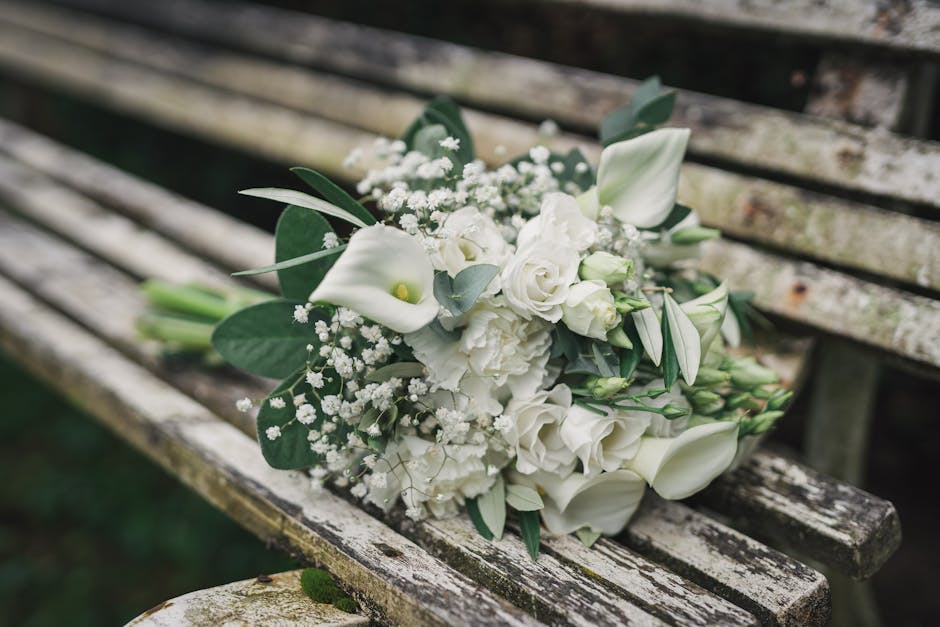
Why Local florist guide to Marlow Station and Pound Lane weddings Matters
Wedding flowers are not just decorative. They shape the mood of the day, guide the visual story, and often show up in the photos you will keep forever. Around Marlow Station and Pound Lane, that matters even more because local logistics can be tight. Guests may be arriving by rail, venues may have narrow access windows, and the whole schedule can run on a surprisingly thin margin.
A local florist understands that reality. They are not guessing about travel time, parking, loading access, or the difference between a relaxed morning delivery and a stressful one. They know that a bridal bouquet needs to be ready when hair and makeup are still running half an hour behind. They know buttonholes should be packed so they survive the journey and still look fresh at the ceremony. Small thing? Not really. It is the difference between a smooth morning and everyone suddenly speaking in very short sentences.
There is also a style reason this matters. The Marlow area has its own feel: polished but not fussy, elegant but still warm. Couples often want arrangements that reflect that balance. White and green schemes, romantic garden-style bouquets, or soft seasonal designs usually sit beautifully here, but that does not mean you have to play it safe. The point is to choose flowers that match the venue, the season, and the pace of the day.
Expert summary: the closer your florist is to the realities of the area, the better they can manage timing, presentation, and last-minute change. For wedding flowers, local knowledge is not a nice extra. It is part of the service.
How Local florist guide to Marlow Station and Pound Lane weddings Works
At a practical level, the process usually begins with three questions: what is the wedding style, what is the timeline, and what is the budget? Once those are clear, a florist can build the design around the event rather than forcing the event to fit the flowers.
In the Marlow Station and Pound Lane area, a florist will typically think about:
- arrival timing for bouquets, buttonholes, and ceremony flowers
- venue access and where the flowers can be set down safely
- seasonal availability so the blooms are realistic and reliable
- transport conditions, especially in warm weather or during busy travel periods
- setup responsibility for items like table arrangements and ceremony pieces
- collection or breakdown if vases, stands, or reusable containers are involved
The design conversation should also cover the practical bits people forget. How many bridesmaids are there? Are there children carrying flowers? Will the buttonholes need pins or magnets? Is the ceremony indoors, outdoors, or a bit of both because British weather likes to keep everyone humble?
For couples comparing styles, it helps to think of wedding flowers in layers. First comes the bouquet and personal flowers. Then ceremony pieces. Then reception flowers and table details. Not every wedding needs all layers. Some do beautifully with just the first two. Others want the full scene. There is no one right answer, only the right fit.
Many couples also start by browsing broader floral categories to work out what they naturally like. Pages such as wedding flowers, bridal bouquets, bridesmaid bouquets, and buttonholes can help narrow the style direction before you make the final booking.
Key Benefits and Practical Advantages
Using a local florist for a Marlow Station or Pound Lane wedding has some obvious benefits, but the less obvious ones matter just as much.
1. Better timing and fewer surprises
Local delivery means shorter journeys, less risk of delay, and more flexibility if the schedule shifts. That matters when a ceremony moves five minutes earlier because someone is stuck in traffic, or the photographer wants to move the bouquet shots to catch softer light at 4:30 pm. These things happen. Often.
2. Better matching of flowers to the season
A florist who works locally is more likely to steer you toward flowers that hold up well in the season you are marrying in. That does not mean a compromise on beauty. It usually means smarter choices. For example, a design built around roses, lilies, or seasonal mixed arrangements can be easier to keep fresh and elegant than a design built around delicate varieties that struggle in heat or travel.
3. More useful advice on venue styling
Local florists understand that some spaces suit tall arrangements while others work better with low centrepieces. A room near a station route or a busy road can benefit from strong fragrance and clean structure, while a softer, quieter venue nearby may lend itself to looser garden-style flowers. It sounds subtle. It is not. The wrong scale can make a room feel cluttered, and nobody wants table flowers that block half the conversation.
4. Easier coordination with other wedding suppliers
Floristry often sits at the intersection of planning, transport, photography, and venue management. A local florist is more likely to work smoothly with your planner or venue coordinator, especially if there are awkward drop-off windows or limited access.
5. Less stress on the day
To be fair, this is the real win. When the florist is local and organised, you can focus on getting dressed, greeting guests, and enjoying the day. You should not be worrying whether the table arrangements have arrived or whether the bridesmaid bouquets have been tied up properly. That is someone else's job. And a good one, hopefully.
Who This Is For and When It Makes Sense
This guide is useful if you are:
- planning a wedding near Marlow Station or along Pound Lane
- trying to choose between a local florist and an online-only option
- working to a limited schedule because of transport or venue access
- booking flowers for an intimate ceremony or a larger reception
- looking for a style that feels polished, seasonal, and personal
- trying to keep costs sensible without making the flowers feel stripped back
It also makes sense if you are a couple who want the florist to handle more than just a bouquet. Maybe you need matching bridesmaid flowers, buttonholes, ceremony pieces, and table arrangements, but you do not want the whole thing to feel overdesigned. That is a very common sweet spot.
There is no shame in wanting simple wedding flowers, by the way. Some of the nicest weddings are the ones with clean, thoughtful arrangements and a few lovely focal points. If your venue already has character, adding too much can muddy the look. Less can really be more.
Step-by-Step Guidance
If you are booking wedding flowers for this part of Marlow, a calm step-by-step approach makes everything easier.
Step 1: Decide your flower priorities
Start with the pieces that matter most. For most couples, that is the bridal bouquet, then bridesmaid bouquets, buttonholes, and maybe ceremony flowers. If your budget is tighter, it is smarter to do fewer things well than to stretch across everything and end up with average results. Harsh? Maybe. True? Definitely.
Step 2: Think about your venue and timing
Will flowers need to travel from a shop to a hotel, then to a ceremony site, then to a reception room? Will they be placed early and left in warm conditions for a few hours? These details affect flower choice. A florist can only advise properly if they know the full plan.
Step 3: Choose a style and colour direction
At this stage, bring in mood rather than just product names. Do you want romantic, clean, modern, heritage-inspired, seasonal, or slightly wild and loose? If you like colour, consider one leading tone with supporting shades. A mixed palette can be beautiful, but too many competing colours can look busy in photos.
Step 4: Request suitable flower options
Ask your florist what is realistic for your date. If you love a certain bloom, great, but let the florist explain whether it is likely to be at its best. Wedding flowers should look their finest on the day, not just in the mood board.
Step 5: Confirm quantities and mechanics
This is the unglamorous bit, yet it saves hassle. Confirm how many bouquets, buttonholes, corsages, table pieces, and ceremony arrangements are needed. If there are vases, stands, ribbons, or reusable containers, clarify who is supplying them and who collects them afterwards.
Step 6: Agree delivery and setup details
Delivery windows matter. So do access notes. If the florist needs to park a short distance away or enter through a side gate, tell them early. A lot of wedding stress comes from tiny things left unsaid.
Step 7: Build in a backup plan
Not every event needs a full contingency plan, but it is wise to have a couple of flexible options. For example, if an outdoor ceremony moves inside, can the flowers still work? If a table layout changes, can centrepieces be rearranged quickly? Good floristry is flexible by design.
Expert Tips for Better Results
Here are the details that often separate decent wedding flowers from really memorable ones.
- Keep the bouquet size in proportion to the dress. A large bouquet can overwhelm a delicate silhouette, while a tiny one can get lost in the photos.
- Choose sturdy stems for buttonholes. Buttonholes sit through hugs, car journeys, and often a bit of heat. They need to behave themselves.
- Mix focal flowers with support flowers. This gives texture and durability. It also makes the arrangement feel fuller without becoming expensive in the wrong way.
- Ask for one sample style reference rather than a dozen competing ideas. Too many pins and pictures can blur the brief.
- Be honest about budget limits. A good florist can work with almost any sensible budget, but only if the budget is clear from the start.
- Think about fragrance carefully. Strongly scented flowers can be lovely, but they are not always ideal for small indoor spaces.
One small but useful tip: photograph the dress fabric, bridesmaid outfits, and venue details in natural daylight and send those alongside your flower brief. It helps a florist match tone and texture much more accurately. And yes, a quick phone snap is usually enough.
If you like to browse by occasion or colour, the store collections can also help you refine the brief. For example, white flowers, pink flowers, mixed-colour flowers, or luxury flowers can give you a clearer sense of direction before you discuss the final wedding design.
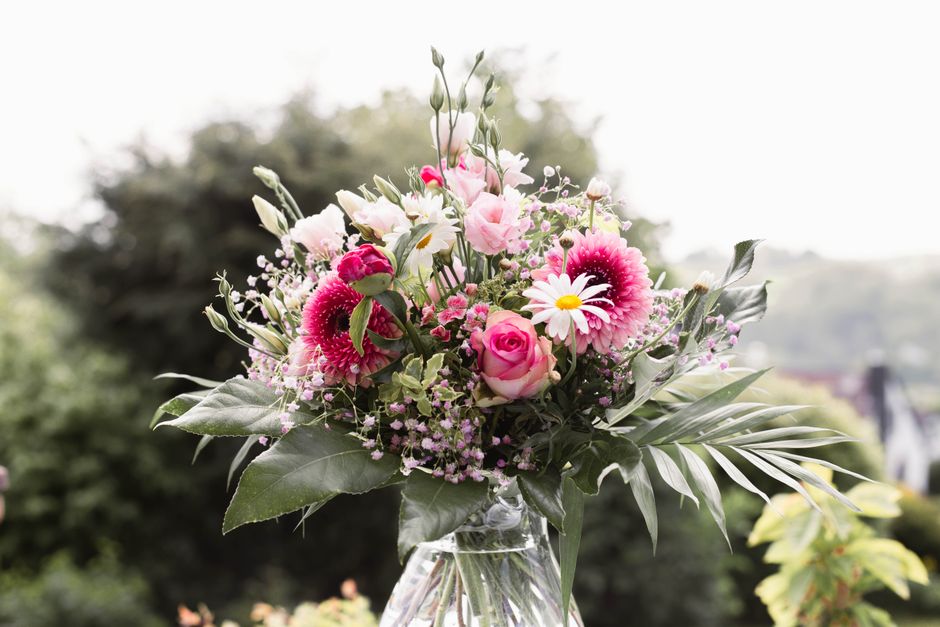
Common Mistakes to Avoid
Wedding flowers are easy to overcomplicate. They are also easy to underthink. Both can cause trouble.
Leaving the booking too late
The most avoidable problem is delay. Popular dates fill fast, and seasonal flower choices become more limited when you leave things until the last minute. The florist may still help, of course, but flexibility gets tighter.
Giving vague instructions
"Nice and elegant" is not enough. It is a fine starting point, but you still need some structure: preferred colours, size, style, budget, venue type, and whether the flowers need to travel between locations.
Ignoring the venue layout
Big centrepieces on small tables can make the meal awkward. Tall designs in a low-ceiling room can feel heavy. Flowers should enhance the venue, not make guests shuffle their chairs to see each other.
Choosing flowers only by online image
Photos are useful, but they can be misleading. Lighting, editing, and variety changes all affect how blooms look. A florist can advise which designs are more reliable in real life, not just in pretty pictures.
Forgetting about transport and handling
Bridal flowers need different handling from reception flowers. One is carried, photographed, and hugged. The other may be set down early and left for hours. Treating every arrangement the same is a small mistake that sometimes becomes a big one.
Not planning for weather
Heat, wind, and even very dry indoor heating can affect flower freshness. If your wedding falls on a hot day, keep flowers cool and shaded for as long as possible. If it is a colder day, be careful about sudden temperature changes. English weather likes to improvise, let's face it.
Tools, Resources and Recommendations
You do not need a complicated toolkit to plan wedding flowers well. What you do need is a few simple resources and a clear method.
- A mood board: collect a small set of visual references that show shape, colour, and atmosphere.
- A guest and supplier timeline: note ceremony start time, hair and makeup slots, travel time, and delivery windows.
- A venue floor plan: even a basic sketch helps with table arrangements and flower placement.
- Colour samples: fabric swatches, invitation images, or outfit photos are often enough.
- A simple flower priority list: what matters most if the budget needs adjusting?
For product inspiration, these collections can be especially helpful when shaping a wedding brief: table arrangements, wedding corsages, wedding gifts, and the broader any occasion range for simple style ideas.
You may also want to review practical pages such as delivery information, flower care guidance, and the florist's guarantees before placing an order. Those pages help you understand expectations around freshness, handling, and service.
Law, Compliance, Standards, or Best Practice
Wedding floristry is not usually a heavily regulated service in the way some trades are, but there are still sensible standards to look for. A professional florist should handle customer data carefully, describe products accurately, and make delivery and refund terms clear. In the UK, that means the basics matter: transparent pricing, clear conditions of sale, and realistic communication about what can and cannot be supplied.
If a wedding involves venue rules, follow them. Some venues restrict open flames, require setup at certain times, or limit access for unloading. Others have specific rules for petals, confetti-style scattering, or floral fixings. A local florist should ask about these early instead of assuming. Good best practice is simple: check the venue brief, confirm delivery details, and keep all working arrangements in writing.
Seasonality is another useful standard, even if it is not a legal one. A florist should be honest when a requested bloom is out of season or not a practical choice for a summer or winter date. That honesty is part of the value. It stops disappointment later on.
For sustainable choices, look for sensible re-use where possible, less wasteful packaging, and flowers selected with their journey in mind. If sustainability matters to you, ask about it directly. A good florist will not mind. In fact, they should be able to talk about it comfortably.
Options, Methods, or Comparison Table
When planning local wedding flowers, couples usually choose one of three approaches. Each has its place.
| Approach | Best for | Strengths | Trade-offs |
|---|---|---|---|
| Simple bridal-only booking | Small weddings, registry-style ceremonies, tighter budgets | Focused spend, easier planning, less to transport | Less visual impact across the venue |
| Core wedding package | Most couples wanting a balanced result | Bridal bouquet, bridesmaids, buttonholes, and some venue flowers | Needs a clearer brief and more detailed coordination |
| Full floral styling | Larger weddings or design-led celebrations | Strong visual consistency across ceremony and reception | Higher budget, more logistics, more setup time |
There is no universally best option. The right choice depends on your venue, guest count, and how important flowers are to the overall atmosphere. A tiny intimate wedding may need only a few elegant pieces. A larger reception near Pound Lane may benefit from a more complete setup so the space feels cohesive from start to finish.
Here is a simple rule of thumb: if the flowers are meant to support the day, keep the plan lean and focused. If the flowers are meant to shape the whole aesthetic, invest in the wider scheme. Easy enough in theory, though it still takes a bit of discipline in practice.
Case Study or Real-World Example
Imagine a couple marrying near Marlow Station on a Friday afternoon. Guests are coming by train, the ceremony space is booked tightly, and the reception follows with only a short turnaround. They want the flowers to feel romantic but not overdone.
Instead of trying to cover every possible floral surface, they choose a clear hierarchy. The bride carries a soft, seasonal bouquet with pale tones. Two bridesmaids have smaller matching bouquets. The groom and four close family members wear simple buttonholes. At the reception, there are just a handful of low table arrangements and one focal arrangement near the welcome table.
That plan works because it respects the day. The flowers arrive in one controlled delivery. They are easy to carry, easy to place, and easy for the venue team to manage. The couple still gets a full, polished look without building a floral programme that needs a spreadsheet and three backup emails to survive. Which, honestly, is how some weddings start to feel.
What made the biggest difference? Clear brief, sensible timing, and a florist who understood local access and pace. The final result was calm, elegant, and photo-friendly. Nothing forced. Nothing awkward. Just right.
Practical Checklist
Use this checklist before you finalise your wedding flowers.
- Confirm ceremony date, venue, and start time
- Decide whether flowers are needed for ceremony only or ceremony plus reception
- List bridal, bridesmaid, groom, and family flowers
- Choose your preferred colour palette
- Share dress and venue photos with the florist
- Ask which flowers are realistic for the season
- Confirm delivery time and access instructions
- Check who sets up table and ceremony arrangements
- Agree what happens to vases, stands, and reusable items afterwards
- Review payment, cancellation, and refund terms
- Ask about care instructions for bouquets and buttonholes
- Build in a small margin for timing changes on the day
If you can tick most of those off, you are in good shape. If not, do not panic. Just get the details written down now rather than chasing them later when everyone is already in wedding clothes and mildly hungry.
Conclusion
A good wedding florist does more than arrange flowers. They help the day run more smoothly, keep the style coherent, and make sure the details look beautiful without becoming a source of stress. For couples planning around Marlow Station and Pound Lane, local knowledge really does make a difference. It helps with timing, access, presentation, and the kind of calm reassurance that is worth a great deal when the morning starts moving fast.
If you remember only one thing from this guide, let it be this: the best wedding flowers are the ones that suit your venue, your schedule, and your priorities. Not the trendiest ones. Not the biggest ones. The right ones.
Get a free quote today and see how much you can save.
And if you are still refining ideas, that is completely normal. Take your time, gather a few references, and let the flowers grow out of the day you actually want rather than the one social media says you should have. That usually leads to something more beautiful anyway.
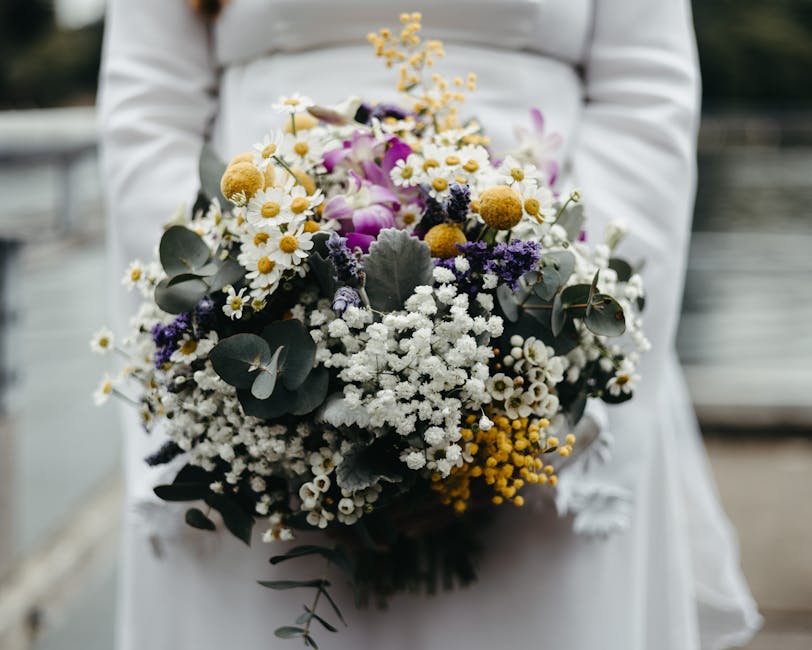
Frequently Asked Questions
What should I book first for a Marlow Station or Pound Lane wedding?
Start with the bridal bouquet and any flowers that need to be matched across the bridal party. Then add buttonholes, ceremony flowers, and reception pieces if your budget and venue plan allow it. The earlier you define the core flowers, the easier the rest becomes.
How far in advance should I contact a local wedding florist?
As early as you can, especially for popular spring and summer dates. Even if you are not ready to place the order immediately, an early conversation helps reserve time for design planning and makes it easier to secure the flowers you want.
Can a florist work with a tight wedding budget?
Yes. A good florist can usually build a smart, focused plan around the most important pieces. The trick is to be honest about budget from the start so the florist can suggest better priorities instead of trying to cover everything.
What flowers are best for a local wedding in the UK?
That depends on the season, venue, and look you want. Many couples choose roses, lilies, orchids, lisianthus, or mixed seasonal flowers because they balance beauty with practicality. A florist can advise on what will hold up best on the day.
Do I need table flowers as well as bouquets?
Not always. If your venue already has a strong look, a bouquet-led plan may be enough. But if the reception space feels plain, even a few low table arrangements can pull the whole room together nicely.
How do I make sure the flowers match my dress and decor?
Share fabric swatches, photos of the dress, bridesmaid outfits, and venue images. That gives the florist enough context to match tone, scale, and style properly rather than guessing from a vague description.
What is the difference between a bridal bouquet and a bridesmaid bouquet?
A bridal bouquet is usually the main floral piece and often larger or more detailed. Bridesmaid bouquets are usually smaller, simpler, and designed to complement rather than compete with the bride's flowers.
Should I choose seasonal flowers only?
Seasonal flowers are usually the safest and most natural choice, but you do not have to restrict yourself completely. A florist can often mix seasonal blooms with a few desired focal flowers, as long as expectations are realistic.
Can flowers be delivered to more than one location on the wedding day?
Yes, but it needs careful planning. If flowers must go to a getting-ready location, ceremony venue, and reception site, make sure the florist knows the full route and timing so nothing gets missed.
What happens if the weather is hot or wet?
Flowers can still work beautifully, but they may need more careful handling. Keep them shaded, avoid leaving them in a parked car, and ask your florist which blooms are most reliable in the forecasted conditions.
Is it worth paying for a local florist instead of ordering online?
For weddings, usually yes. A local florist can adjust to the venue, schedule, and final details much more easily. That responsiveness often matters more than a small price difference.
What should I ask in my first florist enquiry?
Ask about availability, wedding experience, style options, delivery, setup, and what details the florist needs to give an accurate quote. If you ask those basics early, the rest of the process tends to be much smoother.
Can wedding flowers be reused at the reception?
Often, yes. Ceremony arrangements can sometimes be moved and repurposed for tables, entrance areas, or gift tables. Just make sure the florist or venue team knows that is part of the plan.
What is the biggest mistake couples make with wedding flowers?
The biggest mistake is usually leaving things too late or not giving enough detail. Flowers work best when the brief is clear, the timing is realistic, and the florist knows the full shape of the day.